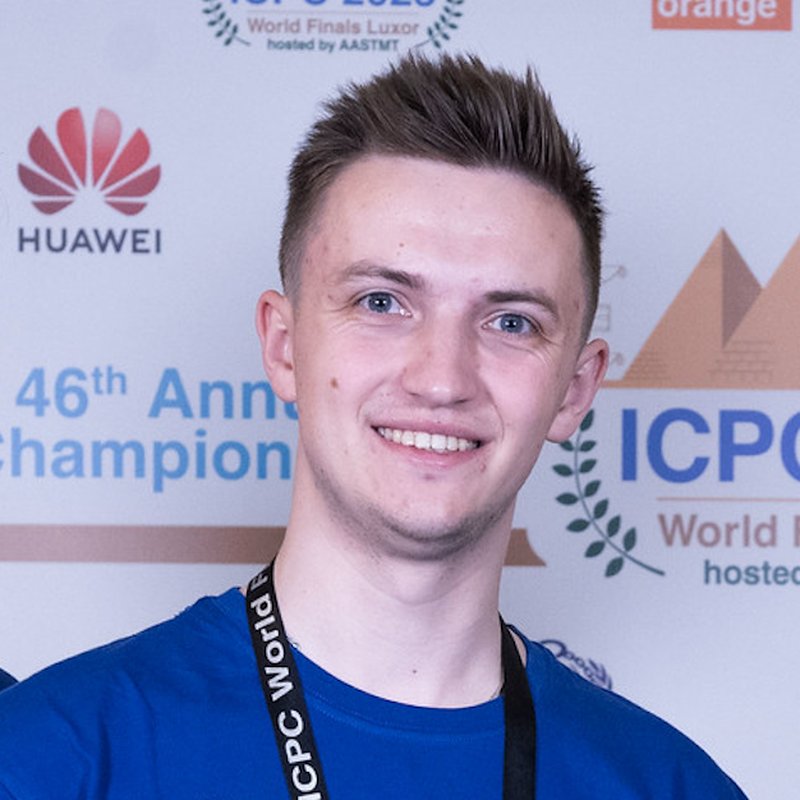
Ivan Fekete
Software Engineer at Google · Sunnyvale, California
I’m Ivan, a software engineer at Google based in Sunnyvale, California, working on AI infrastructure monitoring configuration. Previously, I built AR experiences, multiplayer infrastructure, and on-device machine learning at Snap and Amazon. I’m also an ICPC World Finalist, a problem setter, and a writer exploring the algorithms behind production systems.
I joined a competitive programming class when I was 13. Algorithms, data structures, and finding ways to make a solution faster became a passion that stayed with me for years. Along the way, I built a community of people who shared that enthusiasm for problem solving, many of whom went on to join big tech companies too.
Over time, that passion grew into tackling more complex engineering projects. Today, I’m a Software Engineer at Google, based in Sunnyvale, California, working on AI infrastructure monitoring configuration.
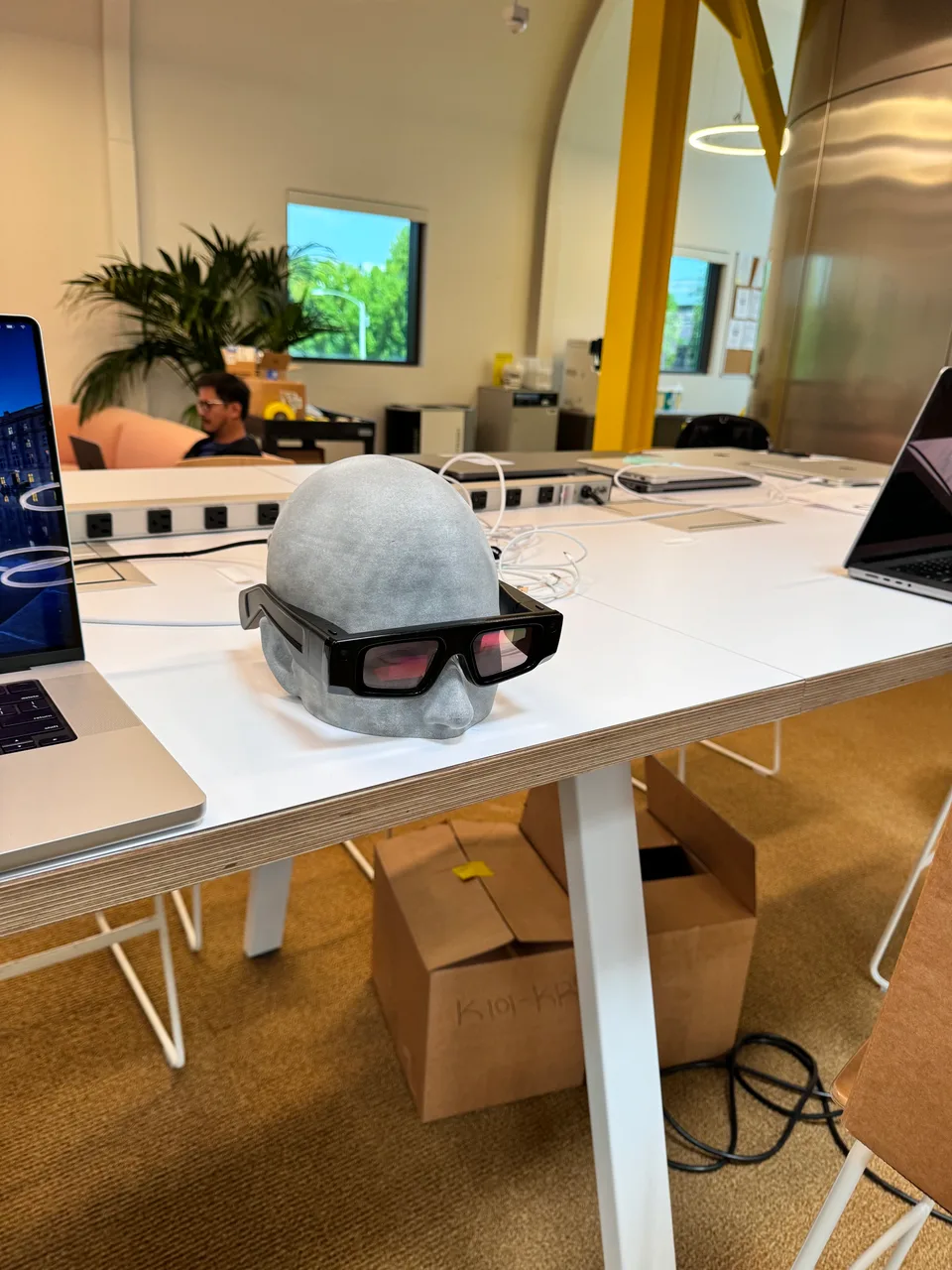
At Snap (2024–2026), I worked on real-time multiplayer for Spectacles and games, including Connected Lenses, which let people interact with the same augmented reality scene. Balancing low latency with high throughput made this work especially engaging: each problem brought difficult tradeoffs and room for creative solutions. That included increasing Connected Lenses messaging throughput 40x and designing matchmaking for games serving 20 million daily active users. I also reduced annual cloud costs by $250,000, productionized the Lens Studio CLI Service behind more than 440,000 lens creations a year, and built internal APIs that generated $130,000 in direct revenue. Spectacles felt ahead of other technology in this space, and it was a pleasure to help shape what people could do with it—including work behind a pending multiplayer patent application on which I’m a named inventor, also filed internationally under the PCT.

At Amazon (2021–2023), I worked on motion detection for Ring cameras, where every millisecond of latency and every percentage point of power consumption mattered. Those constraints took me deep into low-level optimization: I designed an ONNX model conversion library in embedded C++ with SIMD optimizations that ran 40% faster than external alternatives. It helped bring motion detection to Ring Indoor Cam, Stick Up Cam Pro, and Spotlight Cam Pro, products with 1.5 million sales combined. I found the work demanding and consequential: making inference faster and more efficient was essential, and so was getting detection right. Customers rely on these devices, and a mistake in production can undermine their trust.
Before that, at Snap Ukraine (2019–2021), I shipped more than ten original AR experiences for Spectacles and built LiDAR, point-cloud, and multiplayer templates for Snap’s community of more than 250,000 Lens creators. I’m a named inventor on two AR fitness patents from that period: the granted Virtual evaluation tools for augmented reality exercise experiences and the pending Instructor avatars for augmented reality experiences.
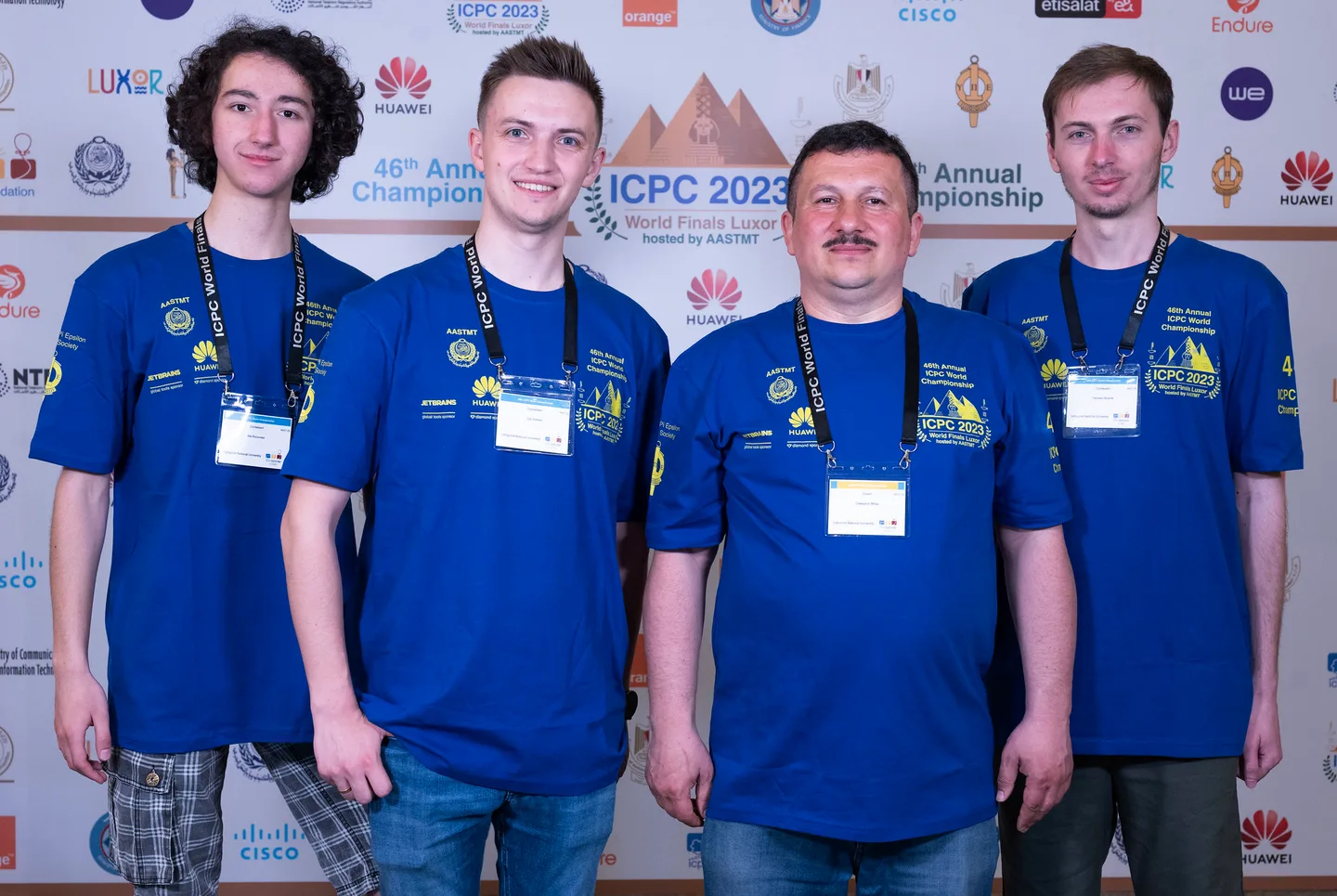
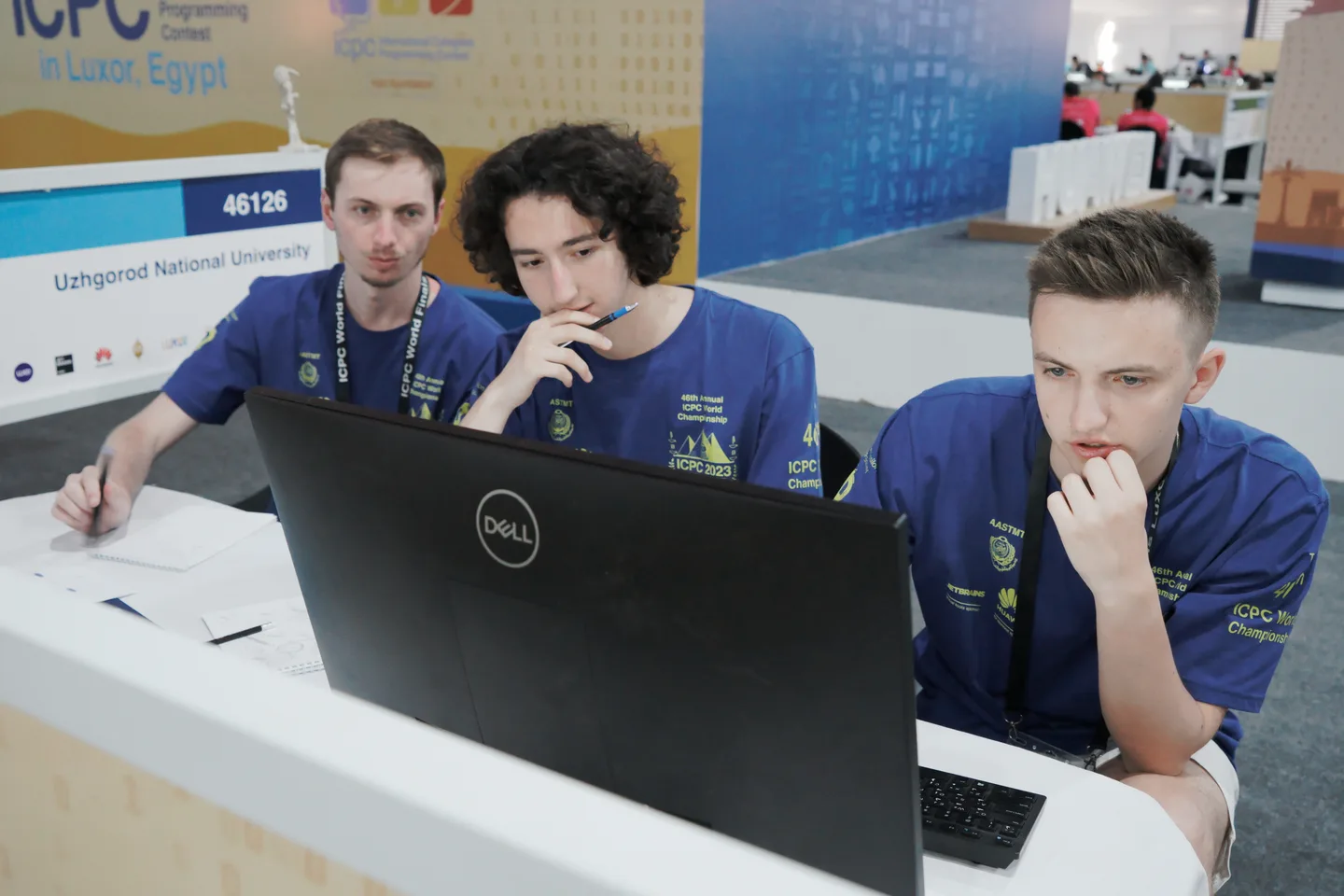
Alongside my engineering work, I continued competing. I reached the ICPC World Finals in Luxor in 2024, placed second at SEERC in 2022, and earned second awards at the Ukrainian Olympiad in Informatics in 2016 and 2017.
I’ve also contributed to programming contests as a problem setter and judge. I wrote ten problems for CodeChef across five contests in 2017–2018, including all six problems in the July 2018 Lunchtime. My problems were covered on CodeChef’s YouTube channel and in other videos. I also wrote a HackerRank Weekly Challenges problem, served on the jury and set problems for the Ukrainian Olympiad in Informatics (2018–2019), lectured at algorithmic schools (2017–2019), and judged the AITEX Summit Summer 2026.
On HackerNoon, I write about algorithms behind production systems. In my article on matchmaking queues, I compared data structures and found that a Fenwick tree with per-bucket player lists answered rank queries roughly 35x faster than a skip list while using 3x less memory. In my article on block decomposition, I examined how ClickHouse, Prometheus, and InfluxDB arrived at the same technique for speeding up range queries.
Outside work, I enjoy skiing, running, and capturing photos and videos with my drone.